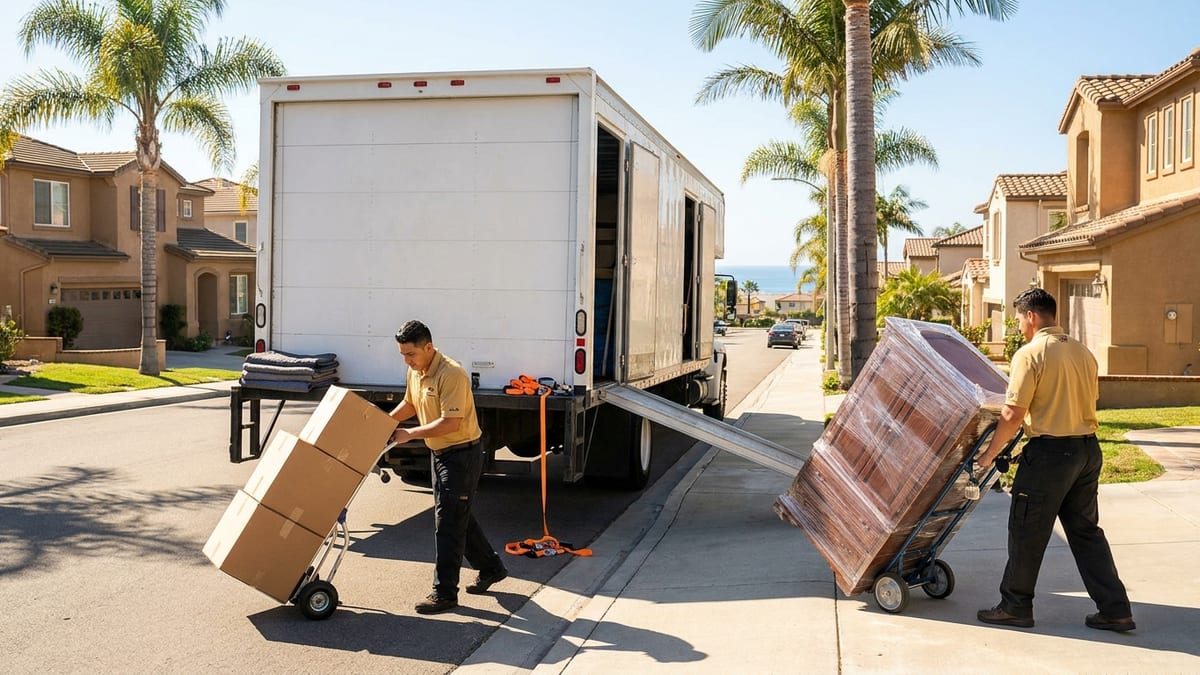
Moving to San Diego means trading a higher cost of living for year-round mild weather and the coast. Budget for rent around $2,300-$3,000 for a one-bedroom, plan your neighborhood around your commute, and book a long-distance mover early since summer is peak season. Get those details right before you sign anything, and the transition is a lot smoother than most people expect.
What to know before you commit
San Diego rewards preparation. The city has a lot going for it, but a few realities can surprise newcomers who didn’t plan for them.
The cost of living is real. Rent is the biggest line item. A one-bedroom in a walkable neighborhood runs approximately $2,300-$3,000 per month (2026 estimates). Two-bedrooms are roughly $3,000-$4,200 depending on location. Groceries and dining run slightly above the national average. Utilities are moderate because you’re not running heat or A/C hard most months.
The weather pays dividends. Average temperatures stay in the mid-60s to mid-70s for most of the year. “June Gloom” is real, coastal neighborhoods get marine layer through late morning for much of May and June. By July, it burns off and stays sunny well into October.
The job market skews specific. San Diego’s strongest sectors are biotech and life sciences, defense and aerospace, technology, healthcare, and tourism. The biotech corridor runs through Torrey Pines and Sorrento Valley. Defense contractors cluster around Miramar and Kearny Mesa. If you’re coming for work, confirm your commute before choosing a neighborhood.
Military presence is significant. Three major installations, Naval Base San Diego, Marine Corps Air Station Miramar, and Camp Pendleton just north of the county, make San Diego one of the larger military hubs in the country. If you’re PCSing or moving to support a servicemember, look at communities near your base first.
Before you dive into the housing search, it’s worth reading our cost of living in San Diego breakdown. It gives you a realistic picture of what monthly expenses look like across different zip codes.
Picking a neighborhood that fits your life
San Diego is a collection of distinct communities. The right one depends on your commute, your budget, and what you want to do on weekends.
Mission Valley and Kearny Mesa sit at the center of the freeway network, which makes them practical for almost any commute. Rent is more moderate than coastal neighborhoods. It’s not the prettiest part of the city, but it’s functional and well-supplied with grocery stores, gyms, and restaurants.
North Park and South Park attract people who want walkability, neighborhood coffee shops, and a real sense of community. These are inner-city neighborhoods with older housing stock, some hills, and a genuinely local feel. Rent is high but not as high as the coast.
Pacific Beach and Ocean Beach are for people who want to be steps from the water. Budget for the premium. Parking is a sport. The lifestyle trade-off is worth it for some people and maddening for others.
La Jolla is expensive and beautiful. It’s also close to the Torrey Pines biotech corridor, which makes it practical for people working in that sector who can afford it.
Chula Vista and El Cajon offer lower rents on the south and east ends of the county. The commutes to downtown or the coast are longer, but you get more space for the money.
Our best neighborhoods in San Diego guide goes deeper on each community with current rent ranges and transit options.
Finding housing before you arrive
San Diego’s rental market moves fast. If you’re relocating from out of state, you’re competing with local applicants who can tour in person and apply the same day.
A few things that help:
Set up saved searches on Zillow, Apartments.com, and Craigslist for the neighborhoods you’re targeting. Be ready to apply the day you see a listing you want. Most landlords ask for first and last month’s rent plus a security deposit equal to one or two months. That’s $7,000-$12,000 out of pocket before you even move in.
Virtual tours are widely available now, but they don’t replace a real visit. If you can, fly out for a long weekend to tour apartments in person before committing. A bad rental decision in a city you don’t know yet is expensive to undo.
If you have a pet, the housing search gets harder. San Diego is not as pet-friendly on the rental side as the outdoor culture might suggest. Start early and budget for pet deposits.
Getting your stuff here
Long-distance moving to San Diego takes more planning than most people realize. The logistics are different from a local move, and timing matters.
Book early, especially for summer. June through August is peak moving season nationwide. The best long-distance carriers fill up 8-12 weeks out. If you’re moving in July or August and you start calling movers in May, your options will be limited and the pricing will be higher.
Get a binding estimate. A binding estimate locks in your price based on a full inventory of what you’re moving. Non-binding estimates can shift significantly at delivery if your actual weight comes in higher than expected. Always ask specifically for a binding estimate, not a non-binding or “not-to-exceed” quote.
Understand delivery windows. Most long-distance movers give you a delivery window, not a guaranteed delivery date. For moves to San Diego, that window is typically 3-10 business days depending on origin. Plan to have a few nights in a hotel or an air mattress if your stuff doesn’t arrive the day you do.
Declutter before you move. Long-distance pricing is based on weight or cubic feet. Anything you donate or toss before the move saves you money on the truck and saves you unpacking time on the other end.
If you’re comparing quotes, our guide on long-distance moving costs to San Diego breaks down what affects pricing and what to watch out for.

Settling in after the move
Once your furniture is in place, the administrative side takes a few weeks to sort out.
DMV. California requires you to get a California driver’s license within 10 days of establishing residency, and register your vehicle within 20 days. The San Diego DMV has multiple locations. Book an appointment online rather than walking in. Vehicle registration fees in California are higher than most states, and you’ll owe a use tax on the vehicle’s value at first registration.
Utilities. SDG&E (San Diego Gas and Electric) handles electricity and gas for most of the county. Call them before your move-in date to transfer service into your name. Internet service in most San Diego neighborhoods has several competitive options.
Getting around. San Diego is a car city. The freeway network covers the county, but it gets congested on the 5, 8, and 15 corridors during peak hours. The MTS trolley system connects downtown to Mission Valley, El Cajon, and the border. If you’re working in North County, you’ll almost certainly need a car.
The beaches. There are four main public beach areas: Ocean Beach, Mission Beach, Pacific Beach, and La Jolla. Each has a different crowd and vibe. Parking fills early on summer weekends. Arrive before 9am or plan to walk.
For a deeper look at where to start exploring, see our San Diego moving service page and our long-distance moving services.
Relocation timeline
| Task | When to do it |
|---|---|
| Research neighborhoods and set rental budget | 10-12 weeks out |
| Book long-distance mover and get binding estimate | 8-10 weeks out |
| Set up saved rental searches, schedule virtual tours | 8 weeks out |
| Fly to San Diego to tour apartments in person (if possible) | 6-8 weeks out |
| Sign lease and pay deposits | 6 weeks out |
| Confirm move date and finalize inventory with mover | 4 weeks out |
| Start decluttering, book parking permits or elevator reservations | 4 weeks out |
| Transfer utilities and internet to new address | 2 weeks out |
| Pack and label everything by room | 1-2 weeks out |
| Move day, confirm delivery window with carrier | Move week |
| Book DMV appointment for CA license and vehicle registration | First week |
| Update address with USPS, bank, insurance | First week |
Frequently asked questions
Is moving to San Diego worth it?
For most people who make the move, yes. The weather alone removes a meaningful amount of daily friction. The trade-off is cost, rent and home prices are among the highest in the country. If your income supports the cost of living, San Diego delivers on the quality-of-life promise. If the budget is tight, it’s worth stress-testing the numbers before you commit.
What’s the cheapest time of year to move to San Diego?
Fall and winter moves (October through February) typically cost less for long-distance movers because demand drops after summer peak season. You’ll also find more mover availability and better scheduling flexibility. Spring moves are moderate. Summer moves are the most expensive and hardest to schedule.
How far in advance should I book a long-distance mover?
For summer moves (June, August), book 8-12 weeks in advance. For fall and winter moves, 4-6 weeks is usually enough. The earlier you lock in a binding estimate, the better your pricing will be.
Do I need a car in San Diego?
For most people, yes. The MTS trolley covers some corridors, but San Diego’s layout makes a car practical for most daily routines. If you’re living and working in Mission Valley or downtown, you can manage without one. If you’re anywhere in North County or the east county, a car is necessary.
What should I know about renting in San Diego as an out-of-state applicant?
Landlords in San Diego are experienced with relocation applicants. Most will accept virtual tours and remote applications. You’ll need proof of income (typically 2.5-3x the monthly rent), a credit check, and references from a previous landlord. Some will require a larger deposit in lieu of local rental history. Having your documents ready to submit immediately helps.
How do I get a binding estimate from a long-distance mover?
Request a virtual or in-home inventory survey from any reputable carrier. The mover walks through your home (in person or via video call), catalogs everything you’re moving, and provides a price that won’t change at delivery. Never accept a quote over the phone without an inventory survey, it won’t be binding. If you’re moving to San Diego from out of state, call Swift Move SD at (858) 925-5546 for a binding long-distance estimate based on your actual inventory.