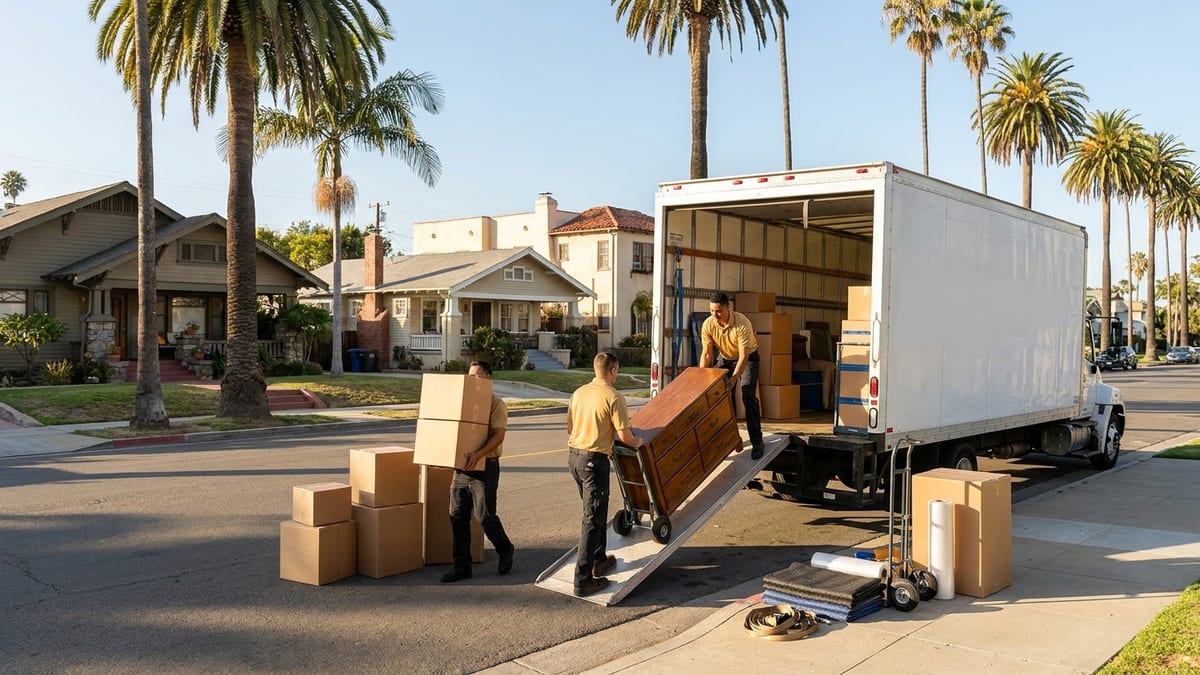
San Diego’s cost of living runs roughly 35-45% above the national average, driven mostly by housing. Expect median rent around $2,300-$3,000 for a one-bedroom depending on neighborhood, plus higher utilities, gas, and groceries. The move itself is a one-time cost on top. Here’s what to budget for before you commit to the relocation.
Housing and rent: what you’ll actually pay by area
Housing is the biggest variable in any San Diego budget. The county spans a wide range of price points, and where you land matters more than any other single decision.
Coastal neighborhoods carry the highest premiums. La Jolla, Del Mar, Pacific Beach, and Ocean Beach routinely see one-bedroom apartments listed between $2,800 and $3,800 per month. Two-bedrooms in these areas often start at $3,500 and climb from there. You’re paying for proximity to the water and, in many cases, walkability that the rest of the county doesn’t offer.
Mid-city neighborhoods like North Park, South Park, and Normal Heights sit in a middle tier. One-bedrooms typically run $2,100 to $2,700, and the neighborhoods offer good walkability, dense restaurant and bar scenes, and reasonable commute access to downtown. These areas attract a lot of transplants for exactly that reason.
Inland and eastern San Diego is where the value improves noticeably. El Cajon, Santee, and Spring Valley offer one-bedrooms in the $1,700 to $2,200 range. The tradeoff is heat in summer and longer commutes if your job is downtown or on the coast.
North County runs the spectrum. Carlsbad and Encinitas sit close to coastal pricing, with one-bedrooms often landing between $2,400 and $3,200. Oceanside is more affordable, typically $1,900 to $2,500 for a one-bedroom, and it’s improved substantially over the past decade. Vista and San Marcos offer some of the county’s better value for renters, with one-bedrooms commonly between $1,700 and $2,200.
South Bay neighborhoods like Chula Vista and National City tend to offer lower rents than the county average. Chula Vista one-bedrooms often list between $1,800 and $2,400, making it one of the more accessible options for renters relocating on a tighter budget.
All figures above are approximate ranges based on 2026 market conditions. Verify current listings before making any housing decisions, since the San Diego market moves fast.
If you’re still weighing areas, our guide to best neighborhoods in San Diego breaks down the tradeoffs in more detail.
Utilities and SDG&E bills
San Diego Gas & Electric (SDG&E) is one of the more expensive utilities in the country. A typical one-bedroom apartment runs somewhere between $80 and $150 per month for electricity alone, depending on appliance use and time-of-use rates. Larger homes or units with older HVAC systems can see bills climb considerably higher in summer.
Gas bills tend to be lower, often $20 to $50 per month for an apartment. Internet runs $50 to $100 depending on provider and speed tier. Water is typically included in rent for apartment dwellers, but homeowners or renters in single-family homes can expect an additional $40 to $80 monthly.
Budget roughly $200 to $350 per month for combined utilities in a one-bedroom apartment as a reasonable planning number. Again, verify current SDG&E rates at sdge.com before committing to a budget.
Transportation and gas costs
San Diego is a driving city. Public transit exists but covers limited corridors well. Most residents own at least one vehicle.
Gas prices in San Diego County typically run $0.40 to $0.80 above the national average due to California’s fuel standards and taxes. Budget roughly $150 to $250 per month for gas depending on your commute distance.
Car insurance in California runs higher than the national average. Expect $130 to $220 per month for a single driver with a clean record, depending on age, vehicle, and coverage level.
If you can make transit work, the MTS system covers much of the city and NCTD serves North County. Monthly passes run roughly $72 to $100. A few downtown-adjacent neighborhoods are genuinely walkable or bikeable, but most of the county assumes you’ll drive.
Parking is worth factoring in separately. Downtown and coastal neighborhoods often charge $100 to $250 per month for dedicated parking. Many apartment buildings charge extra for covered or secured spots.
Groceries and everyday costs
Groceries in San Diego run roughly 10 to 15% above the national average. A realistic monthly grocery budget for one person who cooks most meals falls between $350 and $500. Two adults typically spend $600 to $900.
San Diego has strong options across the price spectrum. Grocery Outlet, Aldi, and Walmart Neighborhood Market are the budget anchors. Sprouts and Trader Joe’s sit in the mid range. Whole Foods and Bristol Farms are premium. Many neighborhoods also have tiendas and Asian grocery stores that offer good value on produce and proteins.
Dining out is where costs can escalate quickly. A casual sit-down meal for two runs $50 to $80 with drinks. Tacos from a taqueria are still a genuine value and one of the cultural advantages of living in San Diego. Coffee shops charge $5 to $8 for a latte.
Gyms, entertainment, and incidental costs add another $100 to $300 per month depending on lifestyle.
The one-time costs of the move itself
Before you settle into your monthly budget, there are one-time costs to clear on move day and in your first month.
Security deposit: Most San Diego landlords require one to two months’ rent as a deposit. On a $2,500 apartment that’s $2,500 to $5,000 upfront, in addition to your first month’s rent.
Moving costs: Local San Diego moves typically run $400 to $1,200 for a professional crew depending on home size and hours. If you’re coming from out of state, long-distance costs scale with mileage and weight. Our breakdown of long-distance moving costs to San Diego has current figures for common origin cities.
Utility setup and deposits: Some providers require deposits from new customers, especially if you have limited California credit history. Budget $100 to $300 for setup fees across electricity, internet, and any renter’s insurance.
Renter’s insurance: Required by most San Diego landlords and sensible anyway. Typically $15 to $25 per month.
For a full picture of what a local or long-distance move runs, see our San Diego moving service overview or explore our long-distance moving service if you’re coming from out of state.
Monthly cost snapshot
| Category | Typical San Diego range |
|---|---|
| Rent, 1-bedroom apartment | $1,700-$3,800/mo |
| Utilities (electric, gas, internet) | $200-$350/mo |
| Transportation (gas + insurance) | $280-$470/mo |
| Groceries (one person) | $350-$500/mo |
| Total estimated monthly baseline | $2,530-$5,120/mo |
These are approximate planning ranges for 2026. Your actual costs will vary based on neighborhood, lifestyle, and household size.
Frequently asked questions
Is it expensive to live in San Diego?
Yes, San Diego is one of the more expensive cities in the United States. Housing costs run significantly above the national average, and utilities, gas, and groceries add to that gap. That said, the county has a wide internal range, and neighborhoods like El Cajon, Oceanside, and Chula Vista offer meaningfully lower costs than coastal areas.
What salary do you need to live comfortably in San Diego?
A rough rule of thumb is to spend no more than 30% of gross income on rent. With one-bedroom apartments commonly running $2,000 to $2,800, a single person generally needs a pre-tax income of roughly $80,000 to $110,000 to rent comfortably. Dual-income households have more flexibility. These figures shift with neighborhood and lifestyle.
Is San Diego more expensive than Los Angeles?
San Diego is typically slightly less expensive than Los Angeles overall, primarily because LA rents and traffic-related costs (parking, commute distance) tend to run higher. That said, coastal San Diego neighborhoods can match or exceed LA costs in some areas. San Diego often gets higher marks for livability relative to cost.
What is the cheapest area to live in San Diego County?
El Cajon, Santee, Spring Valley, and parts of Chula Vista and National City consistently offer lower rents than most of the county. You’ll sacrifice some walkability and, in eastern areas, deal with hotter summers. For families, Chula Vista also has newer housing stock that can be good value relative to comparable-age units closer to the coast.
How much should I budget for my first month in San Diego?
Plan for first month’s rent, security deposit (often one to two months), utility setup, renter’s insurance, and your moving costs. A realistic first-month budget for a one-bedroom apartment in a mid-range neighborhood is $7,000 to $12,000 all in, depending on your deposit requirements and where you’re moving from.
How do I get a moving estimate for a San Diego relocation?
Call Swift Move SD at (858) 925-5546 for a binding estimate. We give you a real number upfront, not a lowball quote that grows on move day. Whether you’re moving locally within the county or coming in from out of state, we’ll price the job honestly before anything is scheduled.